
So you’ve conquered a few bosses, mastered your weapon of choice, and now you’re ready to test your skills against the ultimate challenge in the Lands Between: other players. Welcome to the world of invasions, fellow Tarnished – where every encounter is unpredictable, the stakes are high, and the rewards go far beyond mere runes.
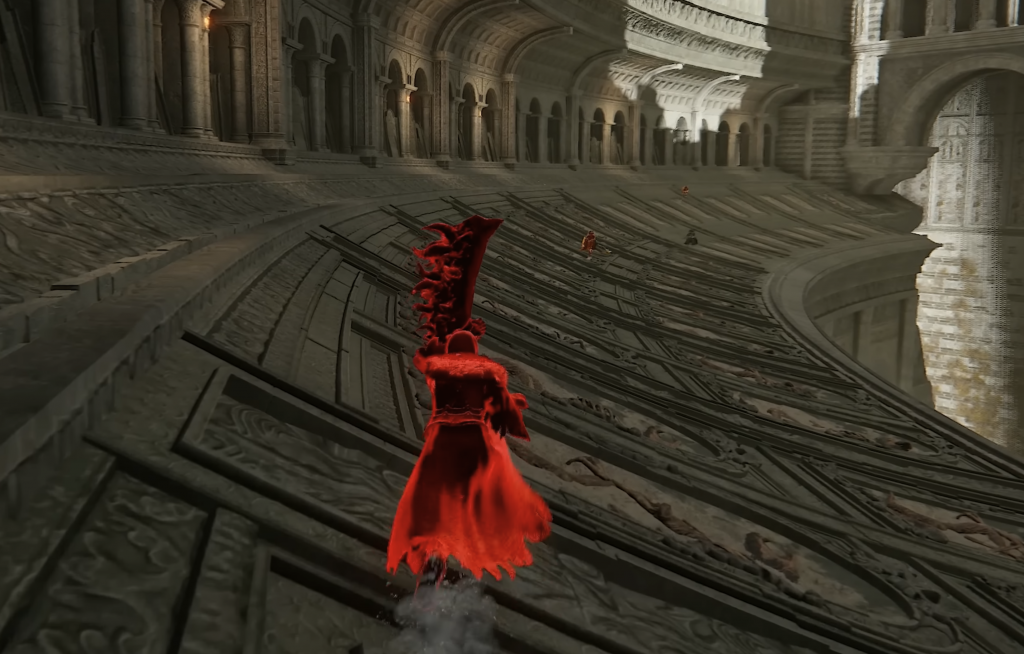
Whether you’re looking to become a feared red phantom haunting other worlds or simply want to understand how to survive when an invader crashes your co-op party, this guide covers everything you need to know about Elden Ring’s thrilling invasion system.
What’s in this guide
How the Invasion System Actually Works
Here’s the most important thing to understand about invasions in Elden Ring: the game has significantly changed the rules compared to previous FromSoftware titles. You cannot invade players who are exploring alone unless they specifically choose to allow it.
When you invade another player’s world, you’ll almost always find yourself facing multiple opponents – typically the host plus one or two cooperators who were summoned to help with the area. This design choice protects newer players from being ambushed by veterans while they’re still learning the ropes, though it does mean invaders start at a numerical disadvantage.
As an invader, you’ll manifest in the target world as a red spirit, making you immediately identifiable to the host and their allies. Your objective is straightforward: defeat the host before they kill you or reach a boss arena. The host’s goal? Either eliminate you or simply survive long enough to enter the boss fog, which will send you packing back to your own world empty-handed.
For solo players craving the classic invasion experience, there’s an item called the Taunter’s Tongue that opens your world to invaders even when you haven’t summoned any cooperators. Using this can even allow multiple invaders to enter simultaneously, turning your adventure into a chaotic free-for-all.
One crucial detail: the game matches players within similar level ranges and weapon upgrade levels. This prevents extremely overpowered characters from terrorizing low-level areas, keeping encounters relatively fair even when the numbers favor the host.
Your Invasion Toolkit: Essential Items
Before you can start your career as an invader, you’ll need the right tools for the job. Here’s what’s in every red phantom’s arsenal:
Festering Bloody Finger
This consumable item allows a single invasion attempt and disappears after use. You can purchase limited quantities from various merchants throughout the Lands Between, including the Nomadic Merchant in East Limgrave (5 for 1,000 runes each) and Patches at Murkwater Cave (10 for 1,000 runes each). However, no merchant sells an unlimited supply – the game expects you to eventually obtain a permanent reusable invasion item instead.
Bloody Finger
This reusable invasion item becomes available by completing White-Faced Varre’s questline. You’ll first meet Varre near the game’s starting area, and he’ll later relocate to the Rose Church in Liurnia. His questline requires you to defeat a Shardbearer, speak with the Two Fingers at Roundtable Hold, then attempt three invasions using the Festering Bloody Fingers he provides – you don’t need to win these fights or even stay in the invaded world; simply entering and leaving counts toward your progress.
Important Offline Alternative: If you’re playing offline or don’t have an online subscription, you can still complete Varré’s quest. Travel to Writheblood Ruins in Altus Plateau and defeat the NPC invader Magnus the Beast Claw. This alternative was added in Patch 1.06 and allows offline players to obtain the Bloody Finger.
After soaking a special cloth in maiden’s blood and returning it to Varré, you’ll receive the permanent Bloody Finger – your ticket to unlimited invasion attempts.
Recusant Finger
This alternative reusable invasion tool comes from progressing through the Volcano Manor questline. It functions identically to the Bloody Finger but marks you as a Recusant rather than a standard Bloody Finger invader – mostly a cosmetic and lore difference.
Phantom Bloody Finger
Here’s a crucial tool many new invaders don’t know about: every time you invade, you automatically receive three Phantom Bloody Fingers in your inventory. These temporary items allow you to relocate to a different spawn point within the host’s world – essentially giving you a second chance at positioning.
Why does this matter? Sometimes you’ll spawn at the bottom of a cliff while the host camps at the top. Other times you’ll materialize right in front of a coordinated gank squad waiting to obliterate you instantly. The Phantom Bloody Finger lets you teleport to a new location in that same world, potentially turning a hopeless situation into a winnable fight. This is arguably the most important survival tool for invaders, so don’t forget to use them when you need a tactical reset.
Defense Items
If you’re on the receiving end of invasions, you have your own tools. The White Cipher Ring automatically summons cooperative hunters to aid you when invaded, while the Blue Cipher Ring lets you answer those calls and be summoned as a defender in other players’ worlds.
Building for PvP: Stats That Matter
The game matches you with players at similar levels, but understanding why this matters – and how to optimize within your level range – is crucial for invasion success.
Vigor Is Non-Negotiable
If there’s one universal truth in Elden Ring PvP, it’s this: level Vigor first. The community consensus in 2026 is clear – 60 Vigor is essentially the baseline for serious PvP. Without it, you’ll find yourself getting one-shot by the powerful Ashes of War that co-op groups commonly use.
Think about it: you’re already outnumbered two-to-one or three-to-one. You can’t afford to die in two hits while your opponents can tank five. Those extra hit points aren’t just survivability – they’re the difference between escaping to heal and respawning back in your own world. Yes, it feels like a huge stat investment, but it’s the single most impactful decision you can make for your invasion build.
The Meta Levels: 125 vs. 150
Most serious PvP in Elden Ring happens at specific “meta levels” where the community naturally congregates:
Level 125 – This is the traditional competitive level inherited from Dark Souls 3. It’s preferred for organized duels and by players who want tighter build restrictions that force meaningful trade-offs. You’ll find more specialized builds here – pure mages, dedicated strength builds, faith casters – because the lower level cap means you can’t easily hybrid everything together.
Level 150 – This has become the more popular general PvP level, especially after the Shadow of the Erdtree DLC added more content and build options. It allows for slightly more flexible builds while still requiring real choices about stat distribution. Most casual invasions happen here, and it’s generally recommended for newer PvP players since you have more room for error in your build.
Invading outside these ranges is perfectly viable – you’ll find activity everywhere from level 50 in Liurnia to level 200+ in late-game areas. But if you want consistent invasion matchmaking and are planning a dedicated PvP character, building toward 125 or 150 gives you the most active player pool to invade.
Weapon Upgrade Matters Too
Remember: matchmaking considers your highest weapon upgrade level ever achieved, even if it’s sitting in storage. A level 50 character with a +10 Somber weapon will match with much higher-level players than a level 50 with +3 weapons. Plan your weapon upgrades carefully if you’re building a character for low-level invasions.
The Spoils of Victory: What Invaders Earn
Successfully defeating a host as an invader comes with tangible rewards that make the challenge worthwhile.
Every successful invasion grants you a Rune Arc along with runes based on the host’s character level. The runes you receive aren’t taken from what the host was carrying – instead, the game calculates a set amount based on their level, so you don’t need to feel guilty about stealing someone’s hard-earned currency.
Rune Arcs are valuable consumables that activate the effects of equipped Great Runes – powerful buffs obtained from major bosses. Since these items can only be obtained reliably through multiplayer activities or tedious farming, successful invasions provide an efficient way to build up your supply.
You’ll also receive a Furlcalling Finger Remedy, though this is less significant since these remedies are easy to craft. The real prizes are the Rune Arcs and the experience you gain from fighting unpredictable human opponents.
Why Invasions Are Genuinely Thrilling
At first glance, invasions might seem like griefing – showing up uninvited in someone’s world to ruin their day. But there’s a reason this system has remained a cornerstone of FromSoftware games for over a decade: when done right, invasions create unforgettable gaming moments.
The Ultimate Test of Skill
Invasions demand you master multiple skillsets simultaneously – understanding PvP combat, navigating complex environments, exploiting enemy placements, and reading your opponents’ tactics on the fly. Unlike boss fights with predictable patterns or duels in controlled arenas, invasions force you to think creatively and adapt constantly.
Many invaders describe the experience as facing the true final boss of Souls games – a challenge that cannot be overcome through simple cheese strategies but requires genuine skill and determination. Overcoming a two-versus-one or even three-versus-one scenario delivers a satisfaction that few other games can match.
Environmental Warfare
What separates invasions from traditional PvP modes in other games is the environment itself. Smart invaders don’t just rely on their weapons – they use the area’s dangers to their advantage, luring hosts into tough enemy encounters or environmental hazards. That dragon mini-boss the host hasn’t defeated yet? It’s now your temporary ally. Those archers positioned on the ramparts? They’re part of your strategy.
This transforms invasions from simple combat into a deadly game of cat-and-mouse where creativity matters as much as build optimization.
Unpredictability and Variety
Every invasion offers something different – you never know if you’ll face a coordinated team with optimized builds or a confused host who just wanted help with a boss. This variety keeps the experience fresh even after hundreds of invasions. Some hosts will try to hide and summon help. Others will rush you with overwhelming aggression. A few might even bow respectfully before engaging in an honorable duel.
Roleplay Opportunities
Many invaders treat themselves as an additional obstacle rather than someone simply trying to grief. They might cosplay as in-game characters, use thematic builds that match the area, or deliberately handicap themselves to keep encounters fun for everyone involved. This creative approach turns invasions into memorable experiences rather than frustrating interruptions.
Duels vs. Invasions: Understanding the Rules
There’s a critical social distinction in Elden Ring’s PvP community that every player should understand: duels and invasions operate under completely different sets of expectations.
Duels: Honor and Structure
When you place a red summon sign (using the Duelist’s Furled Finger) or enter the Colosseum, you’re engaging in a duel. These fights come with unwritten but widely observed rules:
- Both players bow or wave before fighting
- No healing flasks (Crimson Tears) allowed – only healing spells or items
- Let your opponent finish buffing before engaging
- Generally one-versus-one, no interference
These conventions exist because duels are consensual, fair tests of skill. Both players agreed to the fight and want a balanced competition. Breaking these rules – especially healing with flasks – will often result in your opponent severing the connection or the community remembering you as “that guy.”
Invasions: Anything Goes
Invasions are fundamentally different. You forced your way into someone’s world uninvited. The host didn’t ask for a fair fight – they were trying to progress through the area with their friends. This means all tactics are valid.
If an invader bows to you, it’s a courtesy, but you have zero obligation to return it or wait for them to buff. They invaded your world. Similarly, as an invader, don’t expect honor duels. You’ll face:
- Hosts who immediately chug all their flasks and pop every buff
- Three players ganging up on you simultaneously
- Opponents who run straight into the boss fog to escape
- Teams camping at spawn points specifically to hunt invaders
This isn’t “dishonorable” – it’s the intended invasion experience. Hiding behind a dragon, using every dirty trick in the book, leading hosts into environmental traps – this is the “red life” roleplay. You’re playing the villain in someone else’s adventure story. Embrace it.
The key takeaway: invasions are asymmetric warfare, not gentleman’s duels. Adjust your expectations accordingly, and you’ll have much more fun on both sides of the red phantom divide.
Combat Fundamentals: Winning the Fight
Having good stats and choosing the right location only gets you halfway to victory. Understanding basic PvP combat mechanics separates successful invaders from those who repeatedly respawn in their own world wondering what went wrong.
Roll Catching: The Core PvP Skill
If you’re new to Souls PvP, you’re probably attacking too much. In PvE, aggressive button mashing often works because enemies have predictable patterns. In PvP, every player has the same invincibility frames during rolls that you do – and experienced players know exactly how to exploit them.
Roll catching is the art of timing your attacks to hit opponents exactly as their invincibility frames end. Instead of swinging when they’re in front of you, you wait for them to panic roll, then time your strike to connect right as they become vulnerable again.
Here’s how it works in practice:
- Make a deliberate attack (doesn’t have to hit)
- Watch your opponent roll away
- Don’t immediately follow up – wait a split second
- Attack precisely when they’re exiting the roll
This timing varies by weapon class. Faster weapons can catch rolls more reliably, while slower weapons need better reads. The key is breaking the habit of mindlessly swinging. One well-timed roll catch deals more damage than three attacks that hit nothing but invincibility frames.
Spacing: Control the Distance
Every weapon has an optimal range where it threatens opponents while keeping you relatively safe. A colossal sword user wants to maintain middle distance where their long reach threatens you but your faster weapon can’t punish them. A dagger user wants to stay close where their speed shines.
Learn your weapon’s threat range and actively manipulate distance. If you’re using a faster weapon against a slower one, close the gap aggressively. If you’re using a heavier weapon, back up when they rush in, making them whiff their attack before you counter.
Playing the Lag: Netcode Reality
Elden Ring uses peer-to-peer networking, which means there’s always some latency between you and your opponent. You’ll sometimes get hit by attacks that visually missed you by a full character length. This isn’t a bug – it’s the reality of how the netcode works.
The solution? Adjust your timing. You need to swing slightly earlier than visual confirmation suggests. If you wait until they’re directly in front of you to attack, your opponent has already rolled on their screen. Aim for where they’re going to be, not where they appear to be.
This is especially important with slower weapons. That colossal sword needs to be swinging before they reach you, because by the time the attack connects on your screen, they’ve already closed the distance on theirs.
The good news: your opponents face the same issue. Those attacks that look like they should hit? They might miss on their screen. Latency cuts both ways.
Don’t Panic Roll
The most common mistake new PvP players make is rolling immediately when threatened. Experienced invaders read this pattern and will deliberately attack after your roll, catching you as described above.
Instead, practice these alternatives:
- Block – If you have a decent shield, block the first hit and roll the follow-up
- Space out – Walk backward out of range instead of rolling
- Roll late – Wait until the attack is actually coming, not when they start moving
- Roll into attacks – Counter-intuitive, but rolling through attacks often positions you for a backstab
Breaking the panic roll habit is one of the fastest ways to improve your PvP performance.
Survival Strategies for Invaders and Defenders
Whether you’re invading or being invaded, success requires more than just a strong build and solid mechanics.
For Invaders:
Don’t rush in blindly – take time to assess the situation and identify whether you’re facing one opponent or three. Use the environment strategically by positioning yourself near tough enemies or in defensible locations. Many hosts expect invaders to play aggressively, so sometimes the best strategy is patience, forcing them to come to you on your terms.
Remember your Phantom Bloody Fingers. If you spawn in a terrible position – surrounded by three players or at the bottom of an unreachable cliff – don’t hesitate to relocate. Living to fight from a better position is always better than feeding the host a free Rune Arc.
If you’re consistently losing invasions, consider adjusting your build, learning the area’s layout better, or choosing different invasion locations that suit your playstyle. Sometimes the issue isn’t your skill but your level range or location choice.
For Defenders:
When invaded, immediately assess your surroundings and move to a defensible position – somewhere with good visibility and limited approach angles. Don’t let the invader dictate where the fight happens. If you have cooperators, have one player aggressively pressure the invader while the host maintains a safer position.
Most invaders expect hosts to fight defensively, so aggressive tactics from summoned allies often catch them off guard. If you’re near a boss door and things look hopeless, there’s no shame in retreating into the boss arena – survival is survival.
Remember: as the host, you have every advantage – more flasks, numerical superiority, and the ability to summon additional help. The invader is already fighting uphill. Don’t feel obligated to make it “fair.”
Final Thoughts: Embrace the Chaos
Invasions in Elden Ring represent a unique aspect of the game that you won’t find in most other experiences. Yes, they can be frustrating when you just want to progress with a friend. Yes, they often feel unfair depending on which side you’re on. But they also create emergent gameplay moments that transform routine dungeon crawls into memorable adventures.
For invaders, the system offers an endlessly varied challenge that tests your mastery of the game’s mechanics in ways no boss fight ever could. For hosts, successful defenses against skilled invaders deliver a rush that rivals defeating the game’s toughest encounters. The key is approaching invasions with the right mindset – not as griefing or gatekeeping, but as another layer of the chaotic, dangerous world FromSoftware has created.
So grab your Bloody Finger, level that Vigor to 60, and dive into the thrilling unpredictability of Elden Ring’s invasion system. Whether you’re hunting or being hunted, these encounters will test everything you’ve learned in the Lands Between – and that’s exactly what makes them so compelling.
If you liked this guide don’t forget to check out our other Guides & Tips for more useful information on the Lands Between.
Leave a Reply